When a franchise as iconic as Mortal Kombat returns, the expectations for escalating action and deeper lore are always immense. Five years after the 2021 reboot introduced a new generation to the brutal tournament, Mortal Kombat II arrives in 2026 with the ambitious goal of expanding its universe, deepening its character roster, and delivering on the promise of even more spectacular fatalities.
This sequel, widely anticipated since its predecessor's cliffhanger ending, aims to push the boundaries of cinematic martial arts, bringing fan-favorite characters to the forefront while weaving a more intricate narrative tapestry. The challenge for any follow-up is not just to replicate success, but to evolve it.
The Sequel's Promise
Mortal Kombat II steps into the arena with a clear objective: to deliver the full-scale tournament that fans have yearned for, complete with higher stakes and more elaborate combat sequences. Reports indicate a significant focus on enhancing the visual effects, particularly for the fantastical elements and character abilities, aiming for a more seamless integration into the live-action spectacle. The core strength, as widely reported, lies in its commitment to the game's brutal aesthetic and expanding the ensemble cast's screen time, allowing for more diverse fighting styles and character interactions to shine.
Building the Battlefield: Visuals and Production Design
The production design for Mortal Kombat II reportedly takes a significant leap forward, moving beyond the gritty, grounded aesthetic of its predecessor to embrace the more fantastical realms of Outworld and Earthrealm. Official statements highlight an increased budget dedicated to world-building, evident in the intricate sets and digital environments that aim to immerse viewers in the diverse locales of the Mortal Kombat universe. Cinematography, according to early reviews, favors dynamic, often wide-angle shots during combat, allowing the full scope of the choreography to be appreciated without excessive quick cuts. The visual effects team faced the task of rendering iconic special moves and fatalities with a new level of photorealism, a widely noted area of improvement from the first film.
Kombat in Motion: Choreography and Narrative Flow
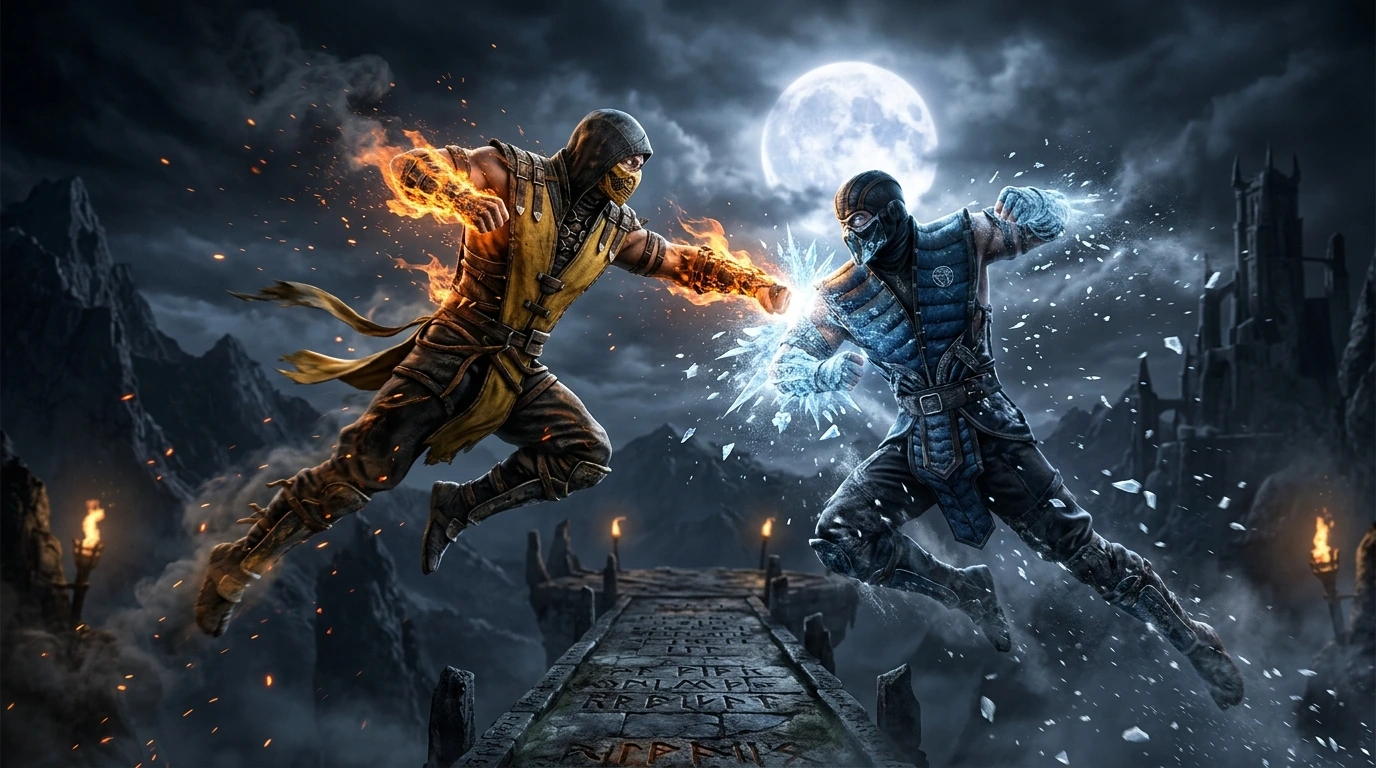
The success of any action film, especially one rooted in fighting games, hinges on its combat sequences. Mortal Kombat II reportedly features a significant escalation in the complexity and intensity of its fight choreography. Industry buzz suggests a deliberate effort to give each character's fighting style a distinct identity, drawing directly from their game counterparts. This translates into sequences that are not only brutal but also visually distinct and narratively purposeful, serving character development rather than existing as isolated set pieces. The pacing of the film is designed to balance these high-octane battles with moments of character exploration and plot advancement, aiming to avoid the 'fight-of-the-week' feel that sometimes plagues ensemble action films. The goal is a more cohesive narrative arc that ties the individual skirmishes into the larger struggle for Earthrealm.
A Balanced Look: Strengths and Challenges
The critical reception for Mortal Kombat II highlights several key areas where the film excels and where it faces hurdles. On the positive side, the film's dedication to delivering authentic, over-the-top action sequences and its expanded roster of fan-favorite characters are frequently praised. The visual effects are generally considered a step up, particularly in depicting the more supernatural abilities and environments. However, some common criticisms revolve around the sheer volume of characters, which can occasionally lead to certain arcs feeling underdeveloped or rushed. Balancing fidelity to the game's lore with a compelling cinematic narrative remains a delicate act.
Comparison: Mortal Kombat (2021) vs. Mortal Kombat II (2026)
| Aspect | Mortal Kombat (2021) | Mortal Kombat II (2026) |
|---|---|---|
| Narrative Depth | Focused on introducing new protagonist Cole Young and establishing the tournament's stakes. | Expands on established lore, delves deeper into character motivations for returning fighters. |
| Fight Choreography | Visceral, often brutal, but sometimes felt isolated from plot progression. | More integrated into the character arcs, showcasing diverse fighting styles with increased stakes. |
| Visual Effects | Solid foundation, though some creature effects drew mixed reactions. | Reported improvements in creature design and environmental destruction, aiming for greater realism. |
SpectraVision X1 Pro: Uji Lapangan Mendalam HP Kamera AI Terbaik 2026 dan Opsi Pembiayaan Gadget →
Final Judgment: Is This Your Next Fight Night?
For fans of the game franchise and those who appreciate high-impact action cinema, Mortal Kombat II appears to be a definitive entry. The film delivers on its promise of more brutal kombat, enhanced visual spectacle, and a deeper dive into the lore that defines this universe. While it navigates the inherent complexities of an ensemble cast and expansive mythology, the overall consensus points to a film that understands its audience and strives to give them what they crave: a faithful, violent, and entertaining cinematic experience. If you were left wanting more after the first film, or if you're a long-time follower of the series, this sequel is a strong recommendation for a thrilling watch.
No comments: