Five years on from the 2021 reboot, anticipation for Mortal Kombat II (2026) has been palpable among fans and action cinema enthusiasts alike. Warner Bros. and New Line Cinema aimed to deliver a sequel that not only built upon its predecessor's foundation but also expanded the lore and amplified the visceral combat that defines the franchise. This film arrives with the weight of expectation, tasked with moving beyond the tournament setup to explore the wider realms and the true threat of Outworld.
Quick Verdict on the Outworld Invasion
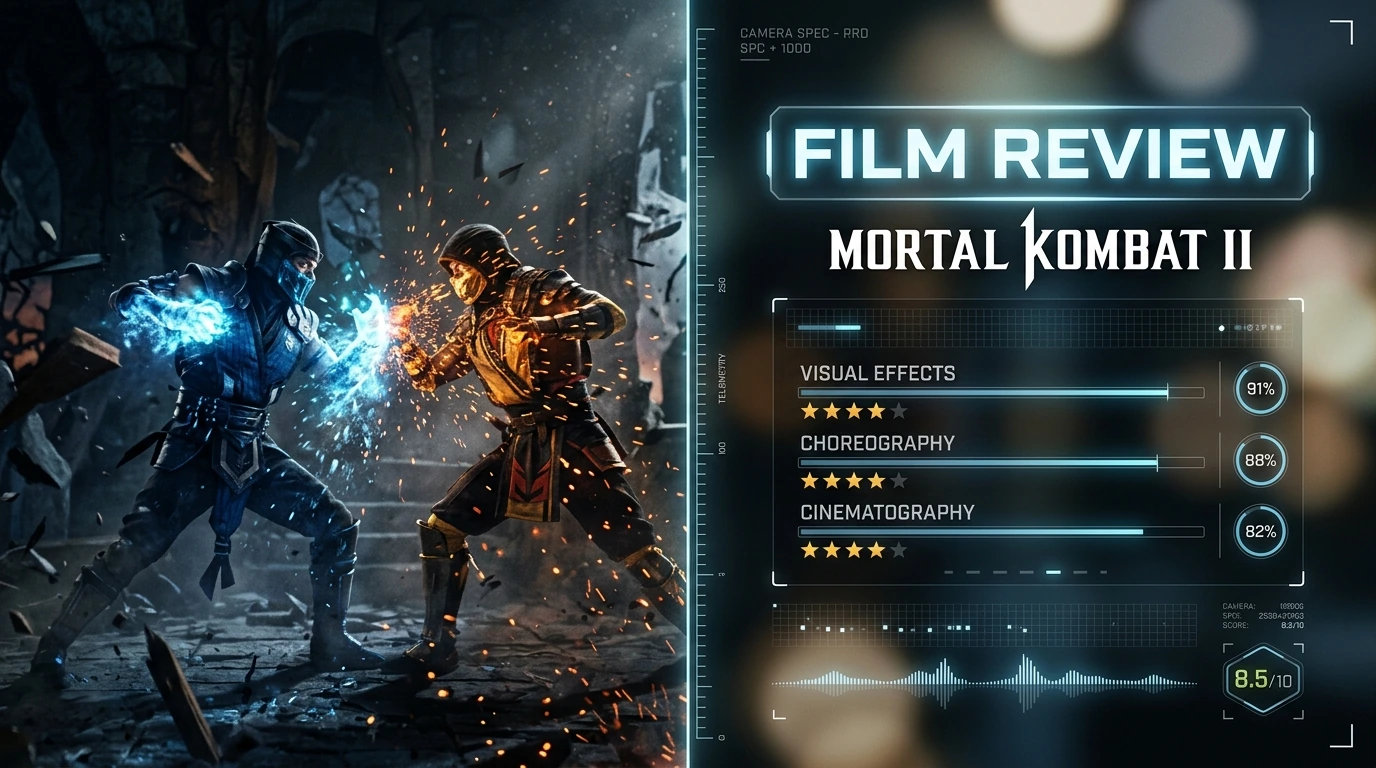
Mortal Kombat II (2026) largely succeeds in its mission to broaden the narrative scope and deepen character arcs while maintaining the brutal, over-the-top action the series is known for. Directed by Simon McQuoid, the film benefits from a returning core cast and an expanded roster of fan-favorite characters, each bringing their signature fighting styles to life with impressive fidelity. Its core strengths lie in its commitment to visual spectacle, enhanced fight choreography, and a more confident embrace of the franchise's fantastical elements. While not without its minor narrative stumbles, the consensus points to a significant step forward in adapting the beloved video game universe.
Crafting the Visual Spectacle and Narrative Core
The 2026 sequel sees Simon McQuoid return to the director's chair, working from a screenplay by Jeremy Slater and Ed Boon, which reportedly delves deeper into the lore established in the games. The production budget, widely reported to be in the $90-100 million range, is visibly invested in its expansive world-building and special effects, handled by a consortium of VFX houses including Wētā FX and Industrial Light & Magic. Key returning cast members include Lewis Tan as Cole Young, Hiroyuki Sanada as Scorpion, Joe Taslim as Sub-Zero, and Jessica McNamee as Sonya Blade, alongside new additions such as Karl Urban as Johnny Cage and Adeline Rudolph as Kitana.
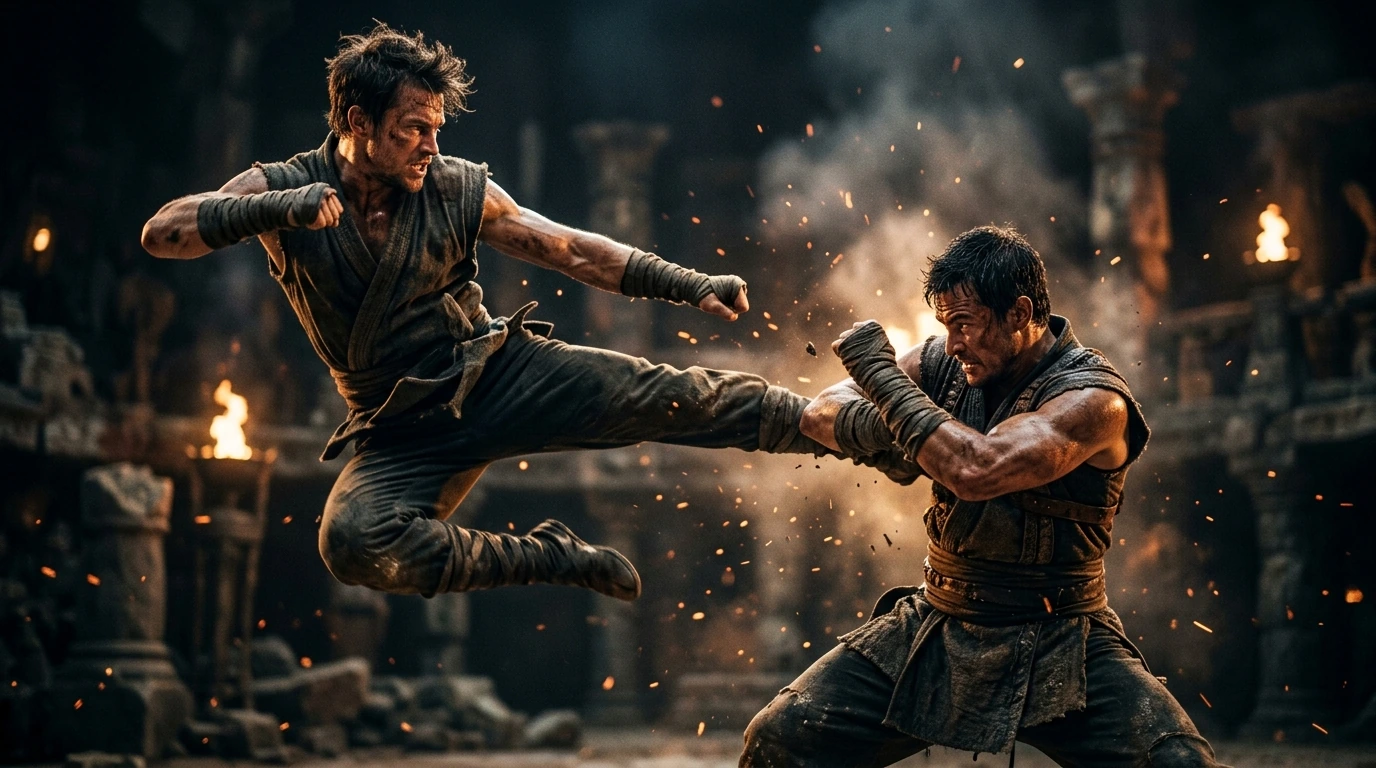
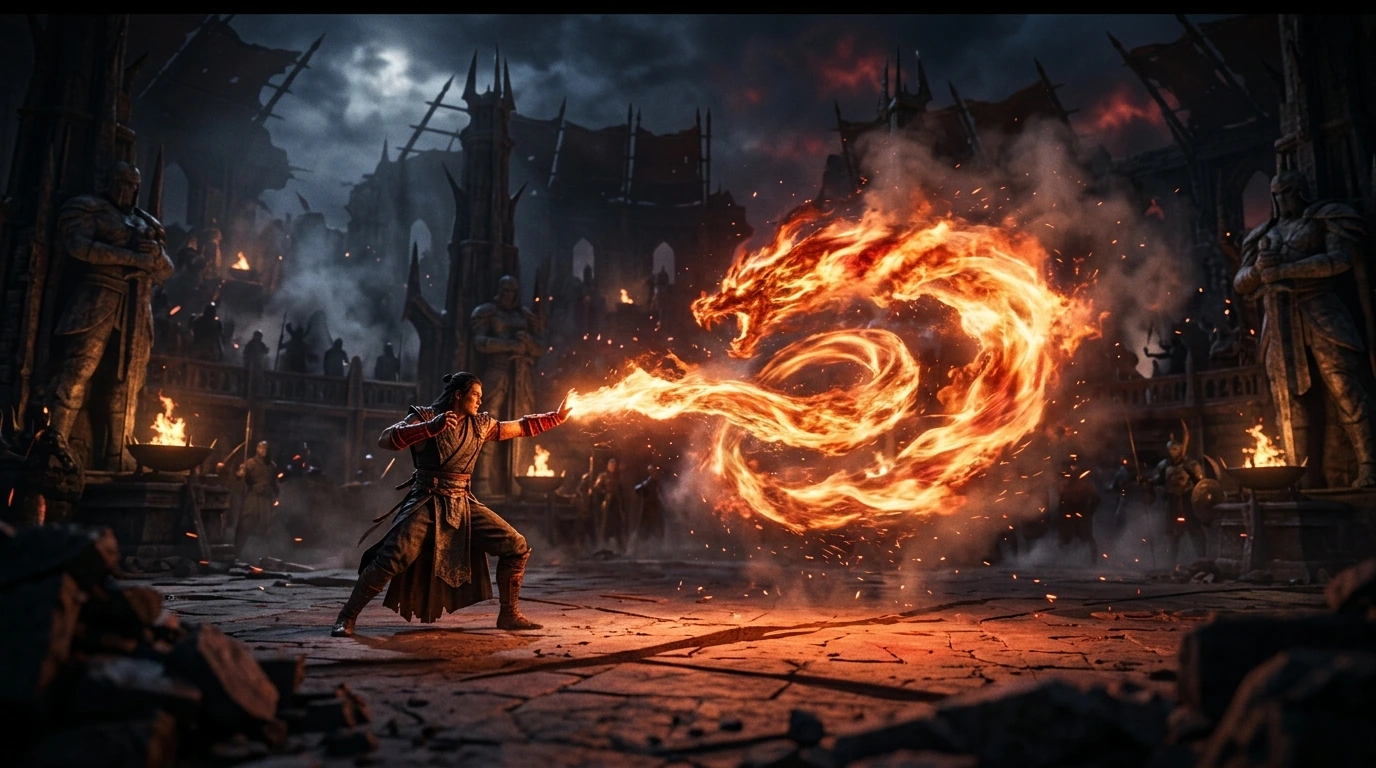
The approach to fight choreography, overseen by veteran stunt coordinator Kyle Gardiner, emphasizes a blend of practical martial arts with stylized, game-accurate moves and fatalities. Each character's fighting style is distinctly represented, from Liu Kang's fluid Shaolin kung fu to Raiden's thunderous strikes. The visual design of Outworld and its denizens showcases a significant upgrade, moving beyond the more grounded aesthetic of the first film to embrace the fantastical, grotesque, and majestic elements inherent to the source material.
Assessing the Impact on Screen
In practice, Mortal Kombat II delivers on its promise of escalated action and visual flair. The combat sequences are a notable highlight, with a reported consensus praising their intensity, creativity, and the clear progression from the 2021 film. Fatalities are more imaginative and integrated into the narrative, often serving as climactic punctuation marks rather than standalone gore segments. The expanded budget is evident in the scale of the environments and the fluidity of the digital characters, bringing creatures like Baraka and the Tarkatans to life with convincing menace.
Character development receives more attention, particularly for established fan favorites like Johnny Cage, whose introduction is widely reported to inject a much-needed dose of humor and charisma, balancing the film's darker tones. The narrative, while ambitious in its scope to introduce new realms and threats, maintains a relatively consistent pacing, avoiding the pitfalls of an overstuffed plot often seen in ensemble sequels. Some critics, however, have noted that certain subplots involving new characters could have benefited from further exploration, leading to moments where the film's expansive ambition slightly outpaces its runtime.
PRO TIP:
To fully appreciate the narrative threads and character motivations in Mortal Kombat II, consider revisiting the 2021 film beforehand. The sequel builds directly on its predecessor's events, making a fresh memory of the first film beneficial for continuity.
Strengths and Considerations
Upsides
- Elevated Action Sequences: The fight choreography is more dynamic, brutal, and faithful to the game's signature moves and fatalities.
- Expanded Lore: A more confident dive into the fantastical elements of Outworld and its diverse inhabitants.
- Strong Character Introductions: New characters, particularly Johnny Cage, are well-integrated and enhance the ensemble dynamic.
- Visual Effects Fidelity: Significant advancements in CGI and practical effects create a more immersive and believable world.
Downsides
- Pacing Irregularities: While generally good, some transitions between exposition and action can feel abrupt.
- Underdeveloped Subplots: Certain new character arcs or side stories could have benefited from more screen time.
- Uneven Tone: The blend of serious stakes with comedic relief, while mostly successful, occasionally feels slightly jarring.
Comparative Look: 2021 vs. 2026
To understand the evolution, a direct comparison between the two recent cinematic endeavors is insightful:
| Feature | Mortal Kombat (2021) | Mortal Kombat II (2026) |
|---|---|---|
| Director | Simon McQuoid | Simon McQuoid |
| Core Narrative | Introduction to the tournament, discovery of powers | Outworld invasion, expanded realms, character arcs |
| Fight Choreography | Solid, grounded, some game fidelity | Enhanced, more varied, higher game fidelity, integrated fatalities |
| Visual Effects | Competent, focused on realism | Ambitious, expansive, embracing fantasy and scale |
| Critical Reception (Consensus) | Mixed, praised action but criticized narrative | Generally positive, recognizing improvements in all areas |
| Fan Reception (Consensus) | Divided, appreciated violence but questioned protagonist | Overwhelmingly positive, strong approval for character choices and world-building |
The Definitive Verdict for Viewers
For fans of action cinema and, specifically, the Mortal Kombat franchise, Mortal Kombat II (2026) is a compelling watch. It builds effectively on the groundwork laid by its predecessor, delivering a more confident, visually ambitious, and narratively engaging experience. The film successfully navigates the challenge of expanding the universe while retaining the brutal essence that defines Mortal Kombat. It’s a clear indication that the cinematic adaptation of this iconic fighting game series is finding its stride.
If you appreciated the action and character introductions of the 2021 film but craved deeper lore and more expansive battles, this sequel is tailored for you. It’s a strong recommendation for those seeking high-octane martial arts, impressive visual effects, and a story that finally begins to unlock the full potential of the Mortal Kombat saga on the big screen.
No comments: